Introduction to Postal Couriers in Asia
Hey there! As someone who’s spent years working as a postal courier across various parts of Asia, I can tell you that the job is both challenging and rewarding. Asia is such a diverse region with a huge population and vast distances between cities and rural areas. So, working in this field means navigating through all kinds of conditions, from busy metropolitan streets to remote villages. Delivering mail and packages efficiently is crucial because people and businesses depend heavily on timely deliveries for communication and commerce.
Challenges Faced by Postal Couriers in Asia
In my experience, some of the biggest challenges we face include traffic congestion, incomplete or vague addresses, and sometimes even weather conditions like heavy rain or extreme heat. On top of that, many areas in Asia still lack advanced infrastructure which makes the job tougher. For instance, narrow lanes or unpaved roads can slow us down or force us to take detours. Language differences and local customs can also be obstacles when delivering to rural communities, but knowing a bit of the local language and customs really helps to connect better with the recipients and ensures smooth delivery.
How GPS Tracking Helps Improve Courier Services
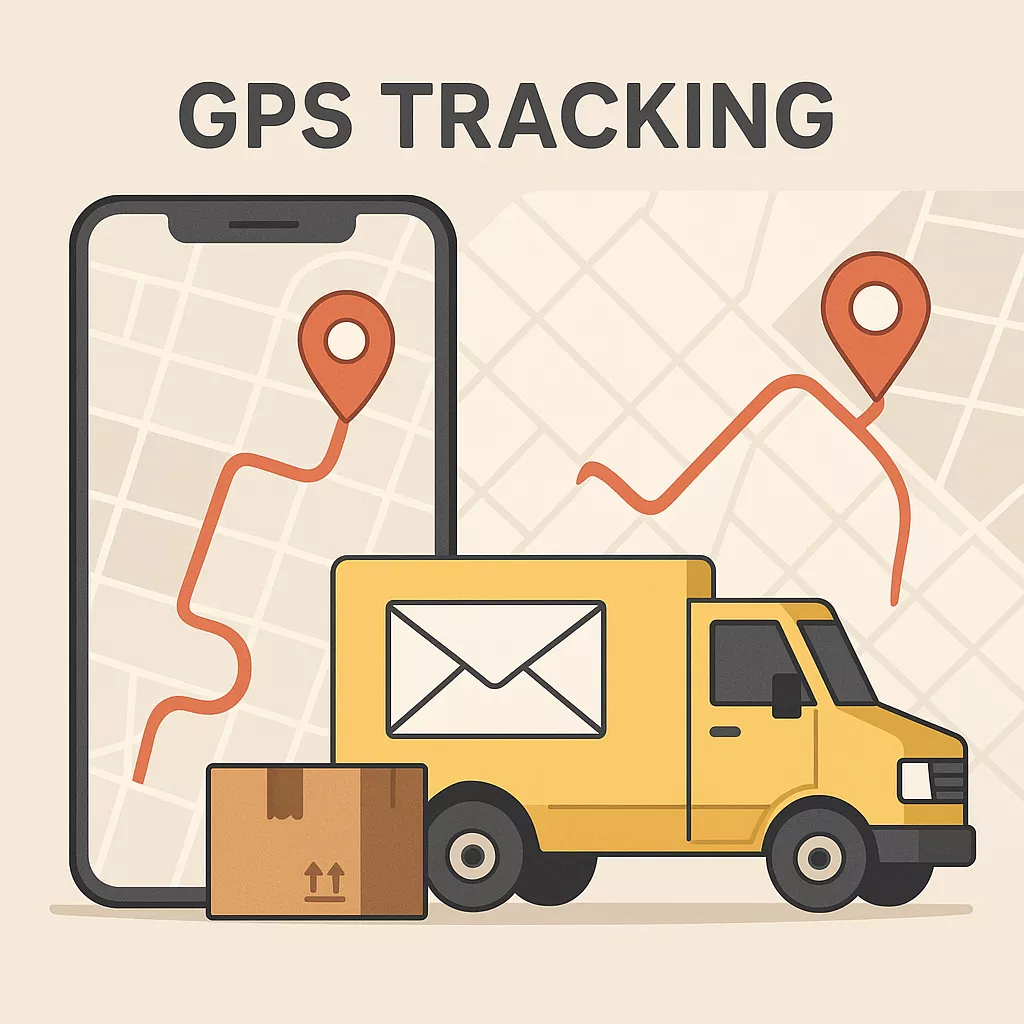
One of the biggest game changers in my line of work has been the introduction of gps tracking. Honestly, without GPS, things would be so much more difficult. It’s not just about knowing where the delivery vans or motorcycles are; it’s about optimizing routes, saving time, and communicating accurately with customers. GPS tracking helps us avoid unnecessary delays by guiding us through better routes and alerting us to areas with heavy traffic or roadblocks. From a company’s perspective, GPS tracking also means they can monitor courier performance and improve overall efficiency, which eventually benefits the customers with faster deliveries.
Benefits of GPS Tracking in Courier Services
- Accurate Location Monitoring: Real-time updates on where packages are, giving both couriers and customers peace of mind.
- Route Optimization: Finding the best route to avoid traffic and reduce delivery times.
- Improved Customer Communication: Being able to provide accurate delivery times and updates.
- Enhanced Security: Reducing the risk of lost or stolen packages through constant monitoring.
- Efficient Resource Management: Companies can allocate couriers based on daily delivery demands more effectively.
Technology Integration in Asian Postal Carriers
Many Asian countries have rapidly adopted technology to modernize their mail and parcel services. In cities like Tokyo, Seoul, and Singapore, GPS tracking is just a standard feature now but even in growing markets like India, Indonesia, and Vietnam, carriers are investing in these systems to keep up with the increasing demand for fast and reliable delivery. Digital tools combined with GPS allow us to scan parcels, update tracking status instantly, and respond quickly to any delivery issues that pop up. It’s not always perfect, but it’s improving every day.
Working with Customers and Local Vendors
Delivering packages isn’t just about dropping things off; it involves coordination with local vendors, businesses, and regular customers. Thanks to GPS tracking, if there’s an issue finding someone or their address is unclear, companies can quickly check where the courier is and send additional details or instructions. It helps reduce the frustration both for couriers like me and for the customers waiting to receive their items. Plus, it increases trust because people can actually see the status of their shipment in real-time instead of just guessing.
Why Reliable Postal Couriers Matter for Asia
Given Asia’s fast-growing economies, reliable postal couriers contribute significantly to the overall business environment. Many small and medium enterprises (SMEs) depend on quick and dependable deliveries to keep their products moving, especially with the boom of e-commerce in the region. When couriers use tools like GPS tracking, it directly affects how quickly goods can reach customers, which in turn improves customer satisfaction and business reputation. Without dependable postal services, industries face delays, and the entire supply chain can suffer.
Key Factors for Success as a Courier in Asia
- Local Knowledge: Understanding the area, traffic patterns, and cultural nuances.
- Physical Fitness: The job often requires traveling long distances, carrying heavy loads, and sometimes working in bad weather conditions.
- Tech Savvy: Being comfortable using GPS devices and mobile apps to stay on track and update delivery statuses.
- Good Communication Skills: Clear and polite communication with customers and dispatchers.
- Patience and Problem Solving: Handling delays, incorrect addresses, or customer concerns calmly and efficiently.
Future Trends in Postal Courier Services in Asia
Looking ahead, I believe the future of postal courier services in Asia is closely tied to the advancement of technology. Things like drone deliveries, automated warehouses, and AI-powered route planning systems are becoming a reality or are already being tested in several countries. These innovations will make deliveries even faster and more dependable. But no matter how technology evolves, the role of the postal courier on the ground remains crucial because human judgment and interaction can’t be fully replaced.
In conclusion, working as a postal courier in Asia is a dynamic and important job that has moved a lot because of technologies like GPS tracking. It’s a role that requires adaptability, awareness, and a customer-focused attitude. The space of postal carriers here is definitely evolving and knowing how to make the most of technology while maintaining human touch is the way forward.